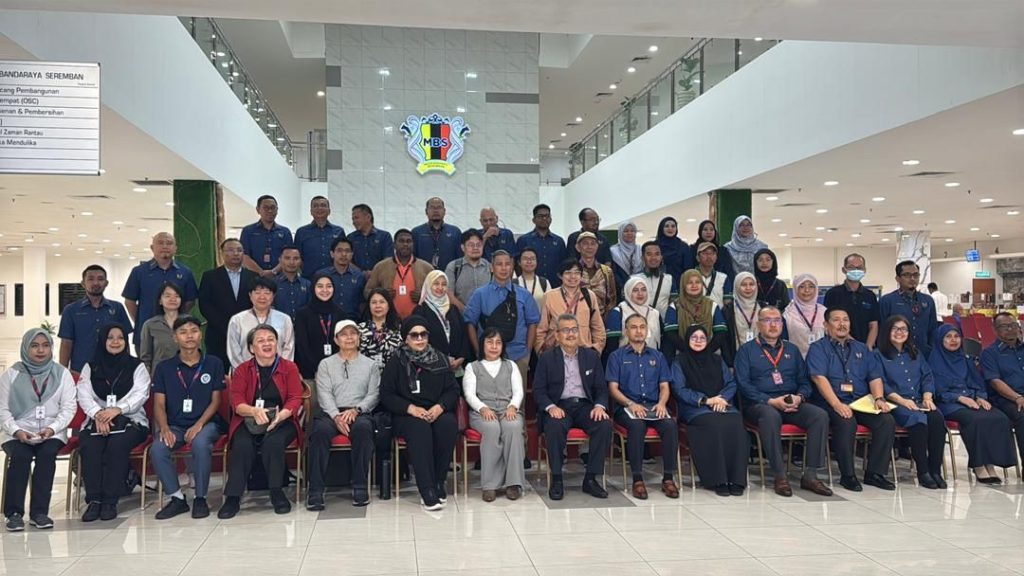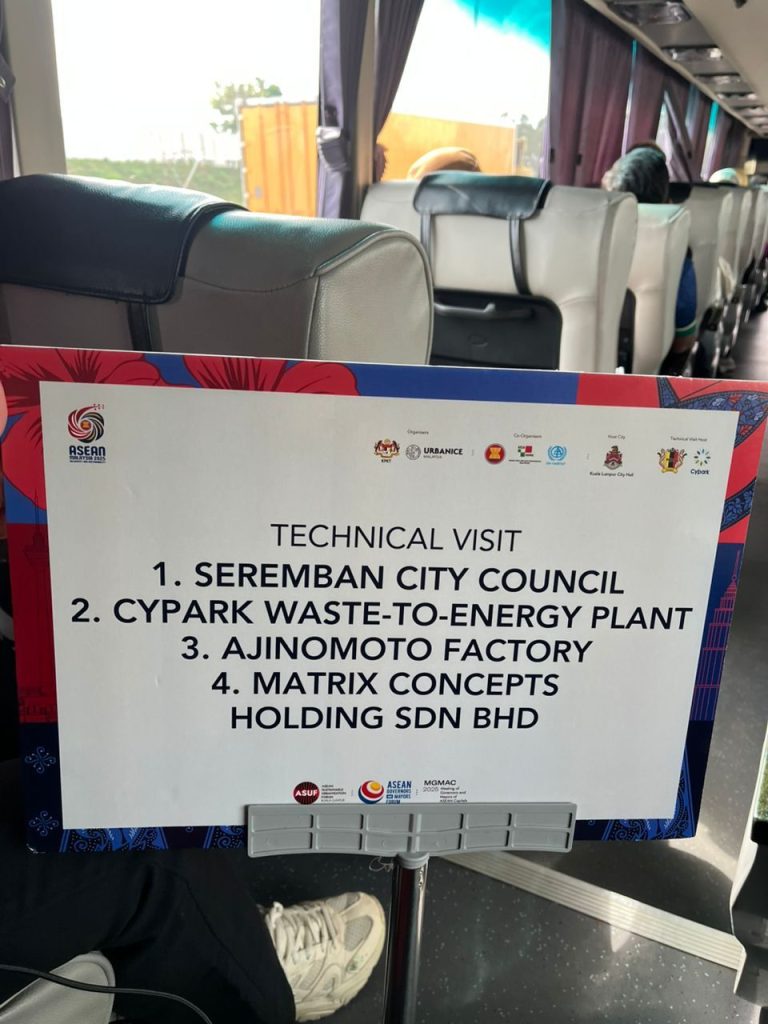

A recent technical visit organised by the Kementerian Perumahan dan Kerajaan Tempatan (KPKT) and URBANICE MALAYSIA and hosted by Majlis Bandaraya Seremban (MBS) together with Cypark Resources Berhad, offered valuable insights to our team, Iman Hidayah into sustainable urban planning, integrated waste management and innovative industry practices.
At MBS, Dato’ Ir. Ts. Haji Masri Baharuddin, the Mayor of Seremban shared the city’s forward-looking initiatives, ranging from Malaysia Vision Valley 2.0 to the Seremban SDGs framework. The city is also advancing its transformation under the Seremban SMART & Low Carbon City 2027 plan, guided by the City Council Strategic Plan 2026–2030 and the Seremban Climate Action Plan 2035. These efforts are set to complement the upcoming Visit Negeri Sembilan 2026 initiative, reflecting a balance between sustainability and regional development.
While the planned tour of the Cypark Waste-to-Energy Plant could not proceed due to unforeseen circumstances, participants benefitted from an in-depth briefing by Ts Dr Mohammad Zahari Sukimi, Cypark’s Head of Green Asset Management. His presentation highlighted the plant’s role in reducing waste volume by 90 percent, flue gas treatment systems, landfill diversion, and the handling of fly and bottom ash — with potential for future use in construction. He also emphasised the importance of carbon footprint assessments and, crucially, source segregation as the foundation of effective waste management in Malaysia.
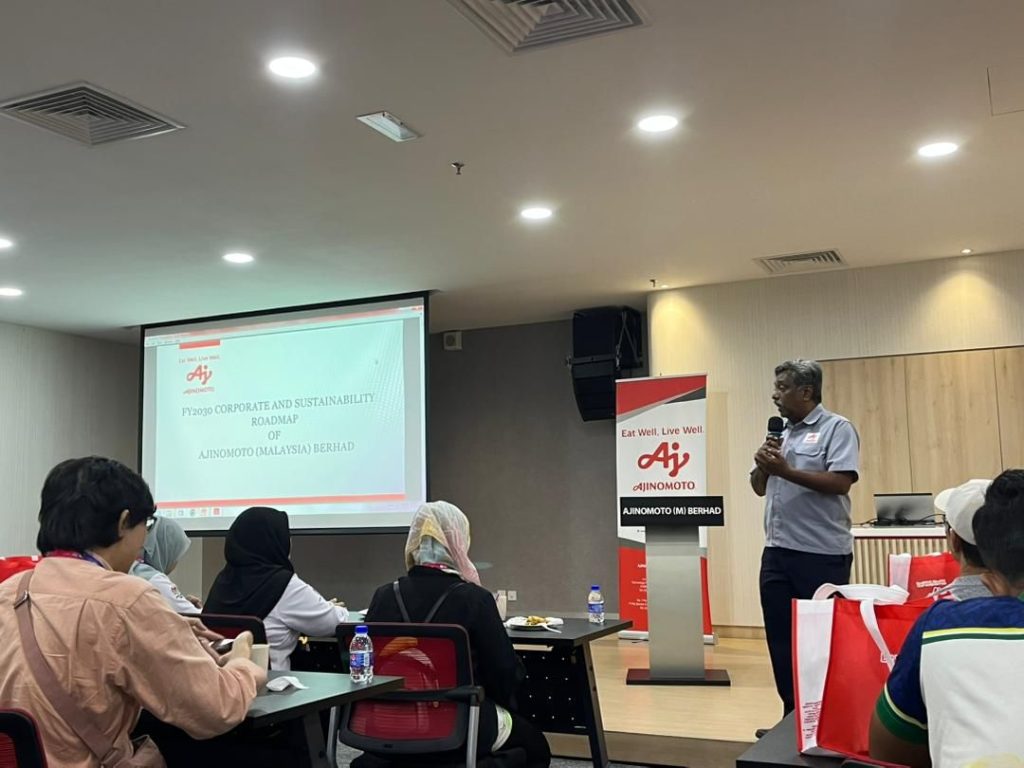
The visit continued with a session at AJINOMOTO (MALAYSIA) BERHAD, where the company’s environmental stewardship came into focus. Efficient resource utilisation, waste reduction initiatives, and circular economy-aligned processes illustrated how industry can take concrete steps towards sustainability.
The programme concluded at the Matrix Concepts Holdings Berhad, where the development of Bandar Sri Sendayan was presented. This showcased township planning that integrates green spaces and forward-looking infrastructure to support sustainable living in the years to come.
Overall, the engagement reflected how collaboration between local authorities, private industry and urban planners is shaping Malaysia’s pathway towards sustainability and climate resilience.
Each site visit offered a unique perspective, yet together they underscored a single message: sustainable development requires shared responsibility and innovation across all sectors.