
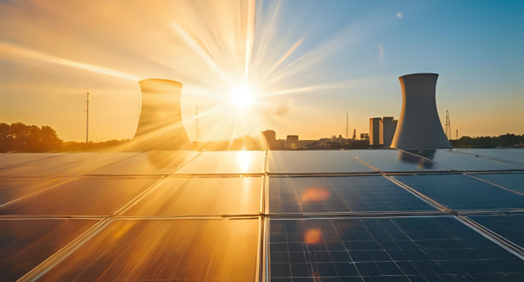
This summer marks a symbolic and strategic turning point in the global energy transition: for the first time, solar electricity generation is expected to surpass nuclear power output globally, which at least during the sunniest months.
While this may sound like a technical detail on the energy calendar, it speaks volumes about how fast solar is reshaping the global power landscape. The implications extend well beyond June skies and into the fundamentals of how we think about power, policy, grids, and climate goals.
The Rise of Solar
In the past decade, solar has grown from an emerging alternative to a core pillar of power generation. Between 2014 and 2024, global solar capacity expanded tenfold, reaching 1866 gigawatts. It’s now the third-largest electricity generation source by installed capacity, trailing only coal and natural gas, and ahead of both hydro and wind.
Much of this growth is driven by the dramatic fall in solar costs and the speed of deployment. Solar is relatively cheap, modular, and increasingly integrated with battery storage solutions, making it attractive across industrialized and developing economies alike.
According to data from Ember, solar generation rose 34% year-over-year in the first quarter of 2025, thanks to capacity expansions across Asia, North America, and Europe. If this growth continues, solar will generate over 260 TWh in June–August 2025, outpacing the world’s nuclear fleet, which has plateaued at an average of 223 TWh per month in 2024.
Not a Total Takeover, But a Signpost
To be clear, solar’s eclipse of nuclear is seasonal, not yet annual. Unlike nuclear reactors, which provide round-the-clock “baseload” power, solar is intermittent — its performance hinges on daylight, geography, and weather. That’s why hydro, wind, and nuclear still outpace solar in total annual output.
But this summer’s shift highlights a fundamental energy truth: solar is no longer supplementary, it’s system-critical.
What About Nuclear? Still Relevant, But Not Dominant
Despite its higher cost and slower deployment, nuclear still plays a strategic role, especially in countries needing stable, high-capacity baseload power or facing limited access to hydro and long-duration storage.
Nuclear plants have high capacity factors, long lifespans, and small land footprints. Many nations still include nuclear in their decarbonization strategies, particularly as they retire coal-fired power.
This is not a battle between solar and nuclear, it’s a negotiation between cost, reliability, speed, and environmental priorities.
A Turning Point, But Not the Finish Line
This summer’s milestone is symbolic—but symbols matter. Solar overtaking nuclear, even briefly, signals a reordering of the global energy hierarchy.
The future of energy will likely be decentralized, digitized, decarbonized—and increasingly solar-driven. But success will depend on pairing solar growth with storage, smart systems, diversified energy mixes, and policies that ensure no region is left behind.
In the longer term, we may look back on the summer of 2025 not just as a milestone, but as a pivot point in how we power the planet.