Blue Carbon refers to the carbon dioxide (CO2) captured and stored by the world’s coastal and marine ecosystems, including mangroves, salt marshes, and seagrasses. This term emphasizes the critical role of these aquatic environments in mitigating climate change. These ecosystems serve as powerful carbon sinks, absorbing CO2 at rates much faster than terrestrial forests and storing it for millennia beneath the seabed. Understanding the importance of Blue Carbon and investing in its conservation can unlock significant environmental, social, and economic benefits.
What is Blue Carbon Ecosystem?
Blue Carbon ecosystems, often called the ocean’s carbon vaults, consist of coastal habitats like mangroves, tidal marshes, and seagrasses that capture atmospheric carbon and store it in biomass and sediment. These ecosystems account for 50% of the ocean’s carbon absorption, despite covering just 2% of its surface. The Intergovernmental Panel on Climate Change (IPCC) recognizes methodologies to measure their carbon sequestration capabilities, with a focus on coastal Blue Carbon systems.
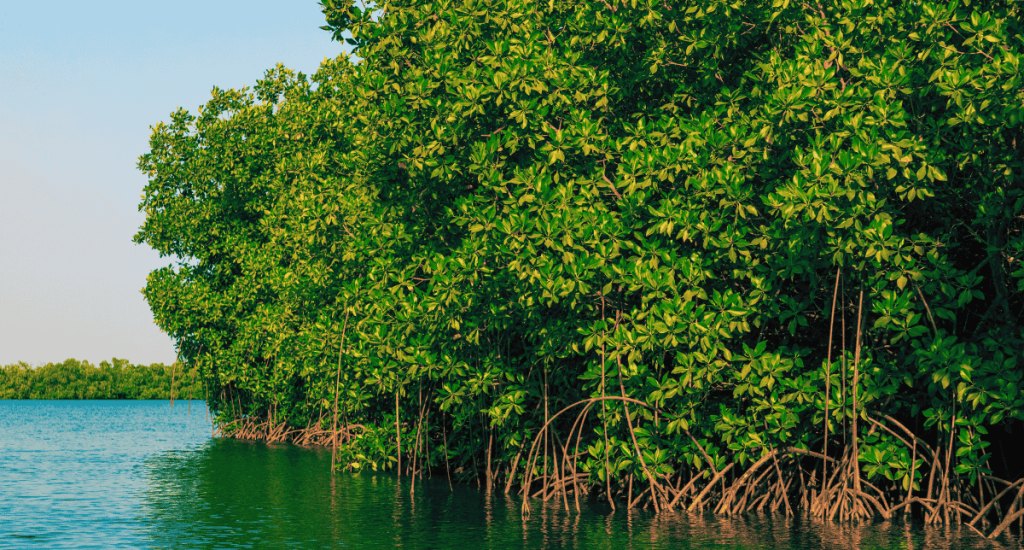
Notably, these ecosystems outperform terrestrial forests in carbon sequestration. For instance, mangroves store up to five times more carbon per hectare than tropical rainforests. Seagrasses, another critical habitat, can store carbon up to six meters deep in seabed silt. Such remarkable capabilities make Blue Carbon a cornerstone of nature-based climate solutions.
The Importance of Blue Carbon
Blue Carbon ecosystems are indispensable in addressing climate change and supporting coastal resilience. Here are the key reasons why they matter:
1. Carbon Storage and Sequestration: Coastal ecosystems like mangroves, seagrasses, and salt marshes act as carbon sinks, capturing CO2 and storing it in their soils and biomass. These ecosystems grow rapidly, absorbing CO2 faster than terrestrial plants. Moreover, the anaerobic conditions of their soils slow decomposition, enabling long-term carbon storage. Protecting these ecosystems could prevent emissions equivalent to the annual CO2 output of the global shipping industry.
2. Protection Against Climate Impacts: Blue Carbon ecosystems shield coastlines from the impacts of climate change. Mangroves, for instance, buffer against storm surges and wave action, reducing damage from extreme weather events. Seagrass roots stabilize sediments, preventing coastal erosion. These natural defenses are vital for vulnerable coastal communities facing rising sea levels and intensified storms.
3. Supporting Biodiversity: These ecosystems are biodiversity hotspots, providing habitats for numerous marine and coastal species. Mangroves, for example, are nurseries for fish and invertebrates critical to local fisheries. By filtering pollutants and preventing nutrient-rich runoff, they also protect adjacent marine environments from harmful algal blooms and hypoxic “dead zones.”
4. Economic and Social Benefits: Blue Carbon ecosystems underpin local economies through fishing, ecotourism, and recreational activities. In regions like the Florida Keys, mangroves and seagrasses contribute billions annually to the economy through tourism. Additionally, these ecosystems enhance food and water security by preventing saltwater intrusion into freshwater supplies and supporting artisanal fisheries.
5. Carbon Credits and Financial Opportunities: Healthy Blue Carbon ecosystems have the potential to generate high-quality carbon credits. These credits can be traded in carbon markets, providing financial incentives for restoration and conservation projects. For example, Kenya’s Mikoko Pamoja project uses carbon credit revenues to fund mangrove conservation, benefiting both the environment and local communities.
Threats to Blue Carbon Ecosystems
Despite their importance, Blue Carbon ecosystems are under significant threat. Over 50% of the world’s salt marshes, 35% of mangroves, and 29% of seagrass meadows have been degraded or lost since the mid-20th century. These losses are driven by a combination of natural and human-induced factors:
1. Climate Change: Rising sea levels and intensified storms erode coastal habitats. For instance, hurricanes have increasingly devastated mangroves, reducing their capacity to sequester carbon.
2. Urban Development and Agriculture: Coastal areas face pressures from urban expansion, aquaculture, and agriculture. Mangroves are often cleared for shrimp farming, releasing vast amounts of stored carbon.