
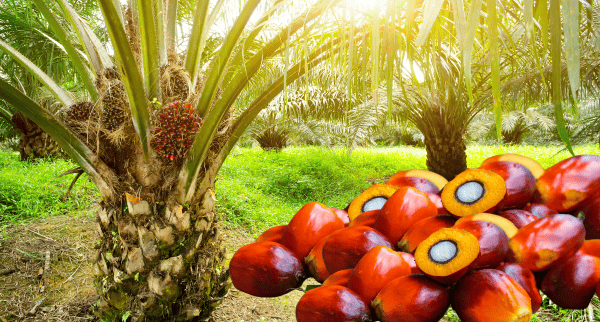
In response to mounting concerns from Western governments, Malaysia has announced a crackdown on fraud within the used cooking oil (UCO) sector. The move comes as global investigations uncover that shipments of biofuels from Asia might be using virgin palm oil, rather than recycled cooking oil, despite claims to the contrary. This has raised alarms in the European biodiesel sector, with suspicions that some of these shipments from China may involve cheaper, unsustainable virgin oil labeled as recycled fat.
Strengthening Enforcement and Improving Traceability
The Malaysian Palm Oil Board (MPOB) has begun revising its standards and policies surrounding UCO and palm oil waste, also known as sludge palm oil (SPO), to reduce discrepancies in exports. Deputy Plantation and Commodities Minister, Chan Foong Hin, emphasized the importance of traceability in the entire supply chain to combat fraudulent practices. By ensuring transparency, Malaysia hopes to safeguard its reputation as a reliable exporter of sustainable palm products.
The Malaysian government’s efforts align with global trends aiming for greater accountability and sustainability in the biofuels supply chain. This crackdown follows similar actions taken by neighboring Indonesia, which moved to curb exports of UCO and palm oil residue, suspecting a mix of virgin crude palm oil (CPO) in the shipments. The United States Environmental Protection Agency (EPA) has also launched investigations into renewable fuel producers who may be using fraudulent biodiesel feedstocks to claim subsidies.
Responding to EU Deforestation Concerns
Malaysia’s palm oil industry, which ranks as the world’s second-largest producer, faces scrutiny under the EU’s new deforestation regulations. While some may view these regulations negatively, Chan assured that Malaysia’s commitment to sustainability remains strong. Around 87% of Malaysian palm oil plantations are certified as sustainable through the Malaysian Sustainable Palm Oil (MSPO) standards, which adhere to strict environmental and social criteria.
The EU’s deforestation regulation, which requires importers of palm oil and other commodities to prove their supply chains are free from deforestation, has been delayed by one year. This delay offers Malaysia an opportunity to align even further with global sustainability goals and avoid the penalties that will soon come into effect for non-compliant exporters.
Strategic Outlook and Global Market Dynamics
Despite challenges in certain markets, Malaysia remains optimistic about the future of its palm oil exports. In January, exports to India hit a 14-year low, but the country’s large population and growing demand for palm oil offer long-term growth prospects. Chan expressed confidence that the situation is temporary, with future growth expected in line with India’s population size and economic needs.
In the meantime, Malaysia’s government continues to focus on strengthening its domestic policies, particularly in ensuring fair distribution of subsidized cooking oil. In 2024, the Ministry of Domestic Trade and Consumer Affairs reported that the 60,000-tonne quota for subsidized cooking oil is sufficient to meet the needs of the majority of households and micro-businesses, with strict enforcement to prevent misuse.
Moving Forward: A Long-Term Strategy for Sustainability and Transparency
As Malaysia works to tighten regulations and enhance the traceability of its palm oil exports, the government is reinforcing its commitment to sustainability and anti-deforestation efforts. The palm oil industry is at a crossroads, with global pressures prompting significant policy shifts. However, Malaysia’s proactive stance, including its adherence to the MSPO standards and alignment with EU sustainability initiatives, positions it well to maintain its credibility in international markets.
The ongoing revisions to the country’s palm oil policies, combined with strengthened enforcement mechanisms, are crucial steps in ensuring that Malaysia remains a responsible and reliable exporter of palm products. The government’s ability to implement these changes effectively will play a pivotal role in safeguarding Malaysia’s position in the global palm oil trade while maintaining its commitment to environmental responsibility and transparency.
Sources:
Exclusive: Malaysia will crack down on fraud in used cooking oil exports, official says. (2025, February 14). Reuters. https://www.reuters.com/world/asia-pacific/malaysia-will-crack-down-fraud-used-cooking-oil-exports-official-says-2025-02-14/
San, K. G., Carvalho, M., & Wen, H. J. (2025, February 17). Subsidised cooking oil quota sufficient to meet demand of eligible recipients, Dewan Rakyat told. The Star. https://www.thestar.com.my/news/nation/2025/02/17/subsidised-cooking-oil-quota-sufficient-to-meet-demand-of-eligible-recipients-dewan-rakyat-told