
The transition to renewable energy is increasingly recognized as a crucial strategy for combating climate change and reducing greenhouse gas emissions. As the world seeks cleaner alternatives to fossil fuels, we must acknowledge the complexities that accompany this shift. The global population is projected to rise from 8 billion in 2024 to 9.8 billion by 2050, with urbanization trends indicating that two-thirds of people will reside in cities by mid-century. This escalating demand for energy presents significant challenges, particularly as global energy-related carbon dioxide (CO₂) emissions reached a record high of 37.4 gigatonnes in 2023—more than 60% higher than in 2000.
The Future of Energy Demand
With population growth and improving living standards, global energy demand is set to increase dramatically. The International Energy Agency (IEA) estimates that this demand could double by 2050, with over 80% of energy currently sourced from fossil fuels like petroleum, coal, and natural gas. This projection due to number of people without access to electricity is decreasing by years. However, approximately 760 million people still lacked access to electricity, primarily in rural areas in 2022. Furthermore, electricity demand is growing even faster than overall energy demand, driven by electrification in transportation, cooling systems, and household appliances.
In curb with this matter, renewable energy sources—such as wind and solar—are vital for lowering carbon emissions. Solar energy can reduce electricity bills for homeowners and businesses by enabling them to generate their own power, while requiring minimal maintenance once installed. Moreover, it produces no greenhouse gas emissions during operation, helping to combat climate change and reduce air pollution.
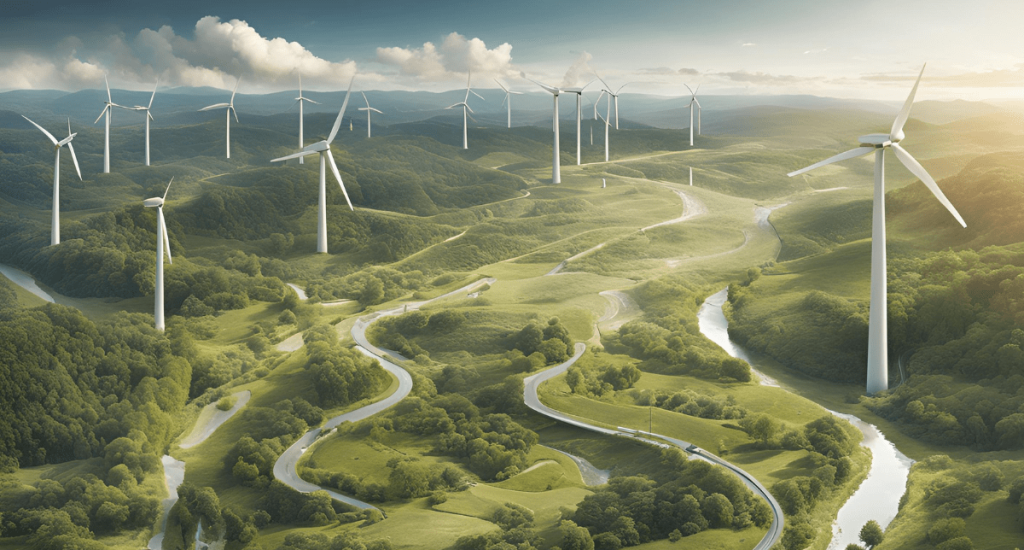
Similarly, wind energy has become increasingly cost-effective, with its price decreasing significantly over the past decade, making it one of the most affordable energy sources available. Wind farms also generate jobs in various sectors, such as manufacturing and maintenance, thus boosting local economies. Both forms of energy enhance energy independence by reducing reliance on imported fossil fuels, while also providing grid stability through decentralized power generation. Importantly, solar and wind energy coexist with agricultural land, allowing for dual-use applications that benefit farmers. By embracing these renewable resources, we can lower greenhouse gas emissions, reduce our reliance on fossil fuels, and create a cleaner, healthier planet.
Conclusion
In summary, the shift toward renewable energy is an essential strategy for addressing the dual challenges of climate change and increasing energy demand due to a growing global population. As urbanization continues and the need for cleaner energy sources becomes more urgent, alternatives like solar and wind, offer significant potential to reduce greenhouse gas emissions and enhance energy security.
Sources:
Hosseini, S. H., Tsolakis, A., Alagumalai, A., Mahian, O., Lam, S. S., Pan, J., Peng, W., Tabatabaei, M., & Aghbashlo, M. (2023). Use of hydrogen in dual-fuel diesel engines. Progress in Energy and Combustion Science, 98, 101100. https://doi.org/10.1016/j.pecs.2023.101100
World – World Energy Balances: Overview – Analysis – IEA. (n.d.). IEA.
https://www.iea.org/reports/world-energy-balances-overview/world
World Energy Needs and Nuclear Power – World Nuclear Association. (n.d.). https://world-nuclear.org/information-library/current-and-future-generation/world-energy-needs-and-nuclear-power