
The Untold Story of Blue Carbon: Climate Change’s Hidden Hero

Blue Carbon refers to the carbon dioxide (CO2) captured and stored by the world’s coastal and marine ecosystems, including mangroves, salt marshes, and seagrasses. This term emphasizes the critical role of these aquatic environments in mitigating climate change. These ecosystems serve as powerful carbon sinks, absorbing CO2 at rates much faster than terrestrial forests and […]
Thorium vs Uranium: A Game-Changer in Nuclear Energy?

Nuclear energy has been a central topic of global debate for decades, primarily due to its potential to meet the increasing global energy demands while offering low greenhouse gas emissions. Uranium-based fuels like uranium-235 and plutonium-239 provide around 20-40% of the energy needs for many countries. However, there are issues and concern regarding these uranium-based […]
The EV Battery Race: Who Will Lead the Charge in Sustainability?

The International Energy Agency (IEA) reported that the number of electric vehicles (EVs) on the road grew from over 1 million in 2016 to 40 million in 2023. This remarkable growth highlights the emerging success of EV technology, aligning with the global shift toward greener technology. However, it raises a question: how many of the […]
Global Companies Approach on Renewable Energy
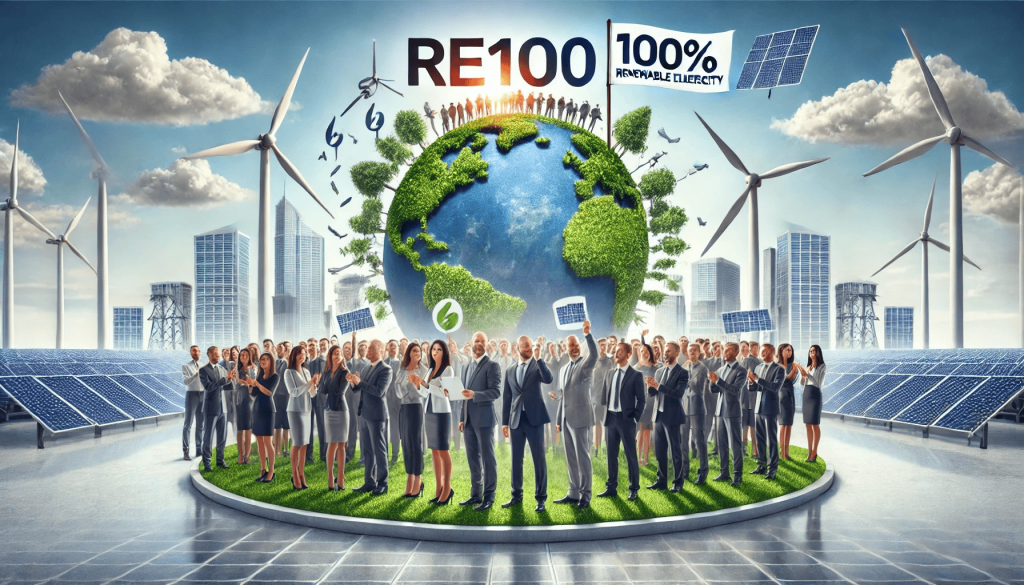
This year, 2024 marks a decade for the global corporate renewable energy initiative, named as RE100 which bring over 400 world’s most influential companies in driving the shift towards 100% renewable electricity by 2050. Collectively, these businesses consume more than 500 terawatt-hours (TWh) of electricity annually, surpassing the consumption of entire nations like France. This […]
Energy for Tomorrow: A Sustainable Approach to Climate Change

The transition to renewable energy is increasingly recognized as a crucial strategy for combating climate change and reducing greenhouse gas emissions. As the world seeks cleaner alternatives to fossil fuels, we must acknowledge the complexities that accompany this shift. The global population is projected to rise from 8 billion in 2024 to 9.8 billion by […]
Global Strategies in Waste Management and Sustainability

As global awareness of sustainability grows, effective waste management has emerged as a critical component of urban development. With over two billion people lacking access to waste collection services, the impacts on human health, the environment, and socio-economic development are profound. The pressing challenges of waste generation and management necessitate immediate action and innovative solutions, […]
COP22 Marrakech: Advancing Global Climate Action from Pledges to Implementation
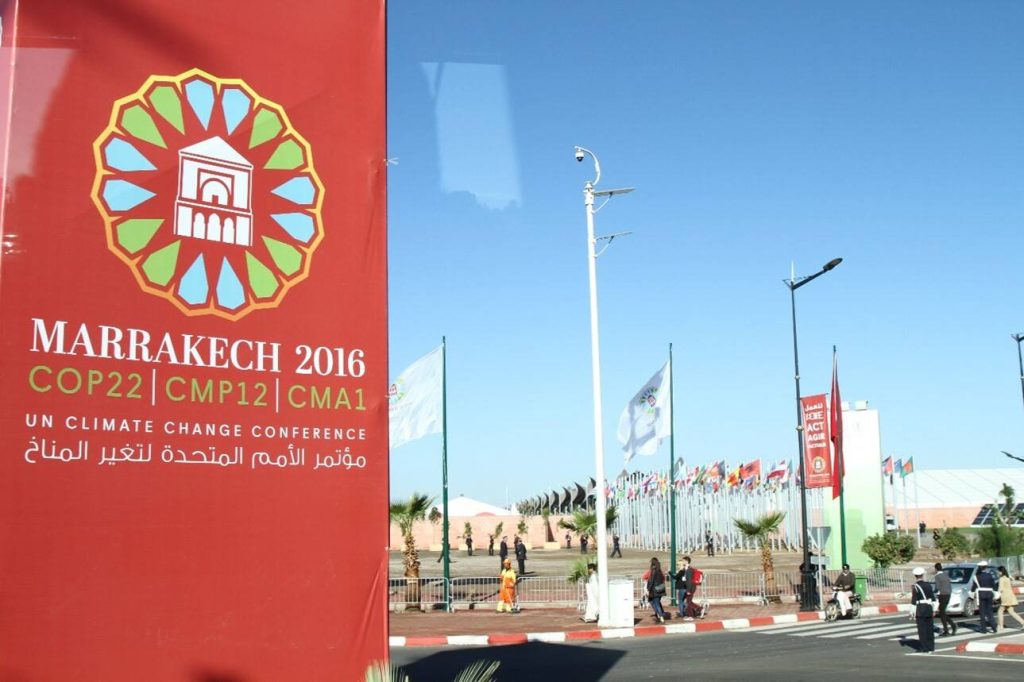
Introduction: Strengthening Global Resolve at COP22 The 22nd Conference of the Parties (COP22) to the United Nations Framework Convention on Climate Change (UNFCCC), held in Marrakech, Morocco, in November 2016, signified a defining moment in the journey toward global climate action. Following the landmark Paris Agreement in 2015, COP22 was positioned as the “COP of […]
The Paris Climate Agreement: A Unified Global Commitment to Combat Climate Change
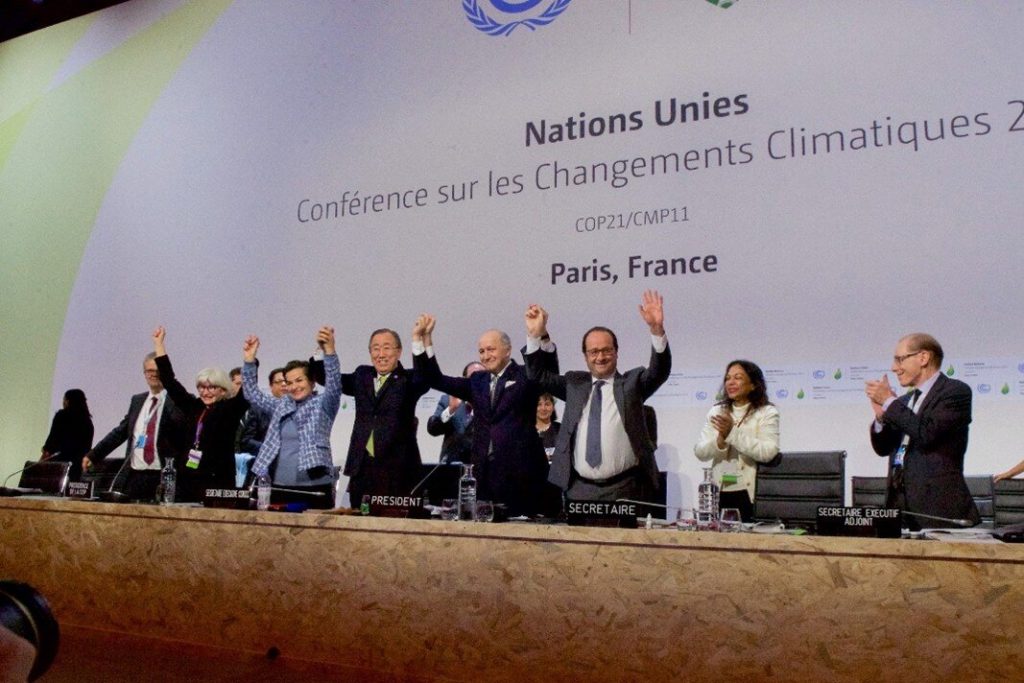
Introduction: A Milestone in Global Climate Efforts The Paris Agreement, adopted at the 21st Conference of Parties (COP21) in 2015, represents a groundbreaking global commitment to address climate change and build a sustainable, low-carbon future. With the primary goal of limiting global temperature rise to well below 2°C above pre-industrial levels—and ideally to 1.5°C—the Agreement […]
The Hunger Games: Malaysia’s Battle for Food Security

Food security is fundamental to national well-being, encompassing the availability, accessibility, and utilization of nutritious food. In Malaysia, increasing self-sufficiency ratios (SSR) for essential food items has long been a government priority to reduce reliance on imports. However, focusing solely on production efficiency risks overlooking other critical aspects of food security, especially as food insecurity […]
Living Among Wolves: Is Coexistence Possible Beyond Fear?

As urbanization accelerates globally, human-wildlife interactions are becoming more frequent, leading to significant conflicts. These confrontations manifest in various forms, such as wildlife-vehicle collisions, zoonotic disease transmission, and property damage. Urban growth puts pressure on wildlife populations, creating a need for effective management strategies. Deterrence, relocation, and other measures impose selective pressures on wildlife, yet […]