
China’s energy transition is following a very different path compared to many Western economies. While much of the global conversation focuses on how renewables replace coal, China is showing how renewables — together with coal — are being leveraged to push out crude oil.
In the first five months of 2025 alone, renewables accounted for 93% of new capacity additions, with 198 GW of solar, 46 GW of wind, and 3 GW of hydropower added to the grid. The scale is staggering: in May, China was estimated to be installing around 100 solar panels every second.
Yet, despite this massive push, coal is not being sidelined. China has more than 227 GW of coal-fired power under construction and another 257 GW in the pipeline. This may seem contradictory, but it highlights a strategic choice: rather than eliminating coal, China is using its domestic reserves to accelerate electrification and reduce reliance on imported crude oil.
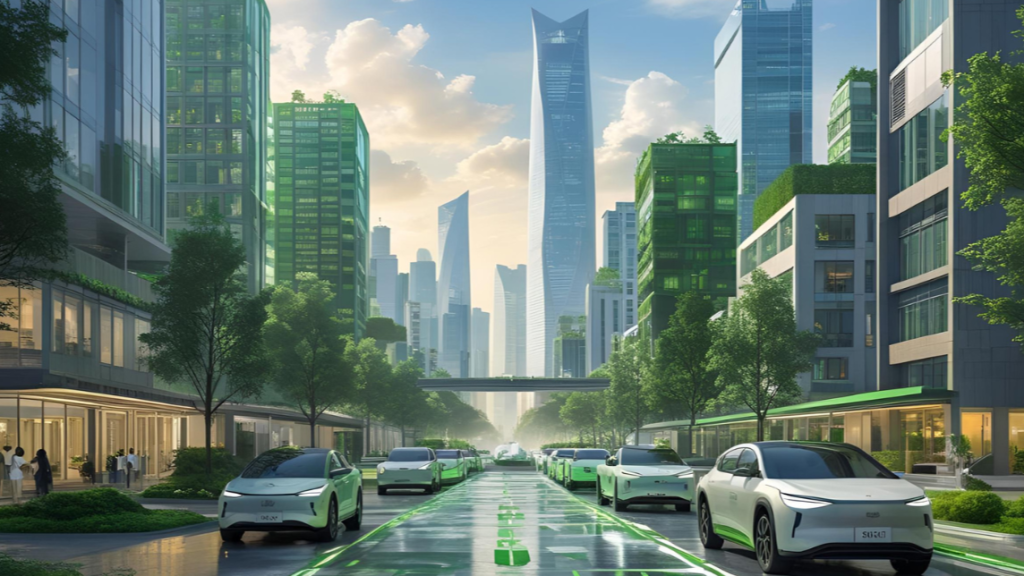
One of the most striking outcomes of this approach is in transportation. Sales of New Energy Vehicles (NEVs) — including electric and hybrid models — surged 43% in the first half of 2025, reaching nearly 7 million units. This shift is already reshaping oil demand: the International Energy Agency (IEA) expects gasoline consumption in China to decline this year, with overall oil product demand showing minimal growth. In fact, China may already be approaching peak oil use.
From Beijing’s perspective, the logic is clear. Crude oil imports are costly, vulnerable to price swings, and exposed to geopolitical risks. Expanding electrification — even if partly powered by coal — reduces import dependence, stabilizes energy costs, and enhances energy security. Natural gas, often used in the West as a “bridge fuel,” is less attractive in China due to its reliance on imports and higher costs compared to coal.
In this sense, coal has become China’s unlikely transition fuel — enabling the country to move away from crude oil while renewables continue their rapid expansion. It’s a pragmatic, if unconventional, pathway that reflects China’s unique economic and resource realities.