
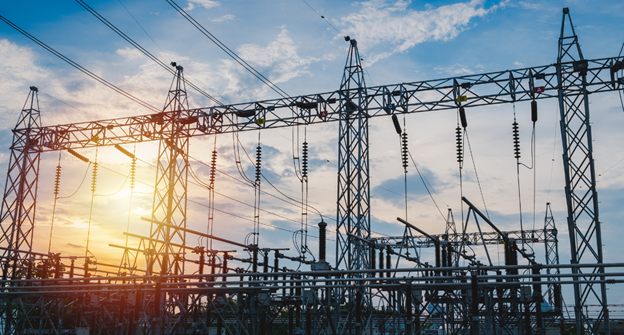
The massive blackout that swept across Spain and Portugal in April 2025 was more than a regional power failure, it was a warning shot. A signal that Europe’s energy infrastructure is dangerously outdated, under-prepared for the green energy revolution, and vulnerable to both technical failure and cyber threats. Experts now agree: the European Union will need to invest upwards of $2 to $2.3 trillion by 2050 to modernize its power grid. Without it, the EU’s clean energy ambitions and climate targets could be at risk.
This isn’t merely about replacing old wires. Half of the EU’s power lines are over 40 years old, yet they’re expected to handle skyrocketing electricity demand from electric vehicles, heat pumps, and data centers. At the same time, the grid must absorb variable renewable power, which producing direct current (DC) that must be converted and stabilized within an alternating current (AC) system, mainly from solar and wind energy. The current infrastructure wasn’t built for this level of complexity, nor can it store enough energy to buffer supply gaps.
The April blackout revealed multiple weak points: insufficient interconnections between Spain and the rest of Europe, limited backup capacity, and inadequate frequency regulation. While renewables weren’t the root cause, their growing share in the energy mix made it harder to respond to sudden supply fluctuations. Experts highlight the loss of “inertia” as a growing concern in a renewable-dominant grid.
But the costs of doing nothing are higher. Analysts warn of more frequent blackouts, grid congestion, volatile electricity prices, and a failure to meet the EU’s net-zero targets. On the flip side, investing in the grid could reduce electricity prices by up to 30% by 2040, enhance industrial competitiveness, and unlock more than 800 GW of renewable power currently stuck in connection queues.
The European Commission estimates that $600 billion per year is needed until 2030, double the current annual investment. Priorities include expanding local distribution networks (56% of the total spend), building cross-border interconnections, developing large-scale storage, and fortifying digital defenses against cyberattacks.
Europe’s energy transition is at a tipping point. Without a robust, flexible, and smart grid to support it, the continent’s clean energy future could collapse under its own ambition. If there’s one lesson from the Iberian blackout, it’s this: a green future demands more than clean generation, it requires a 21st-century grid to carry it forward.