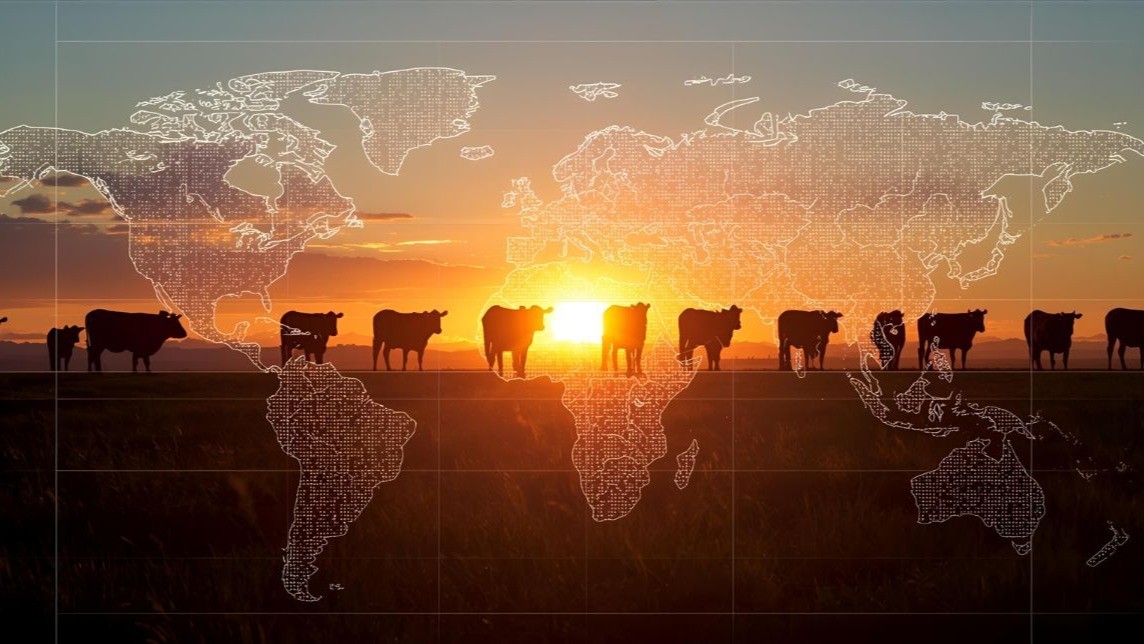
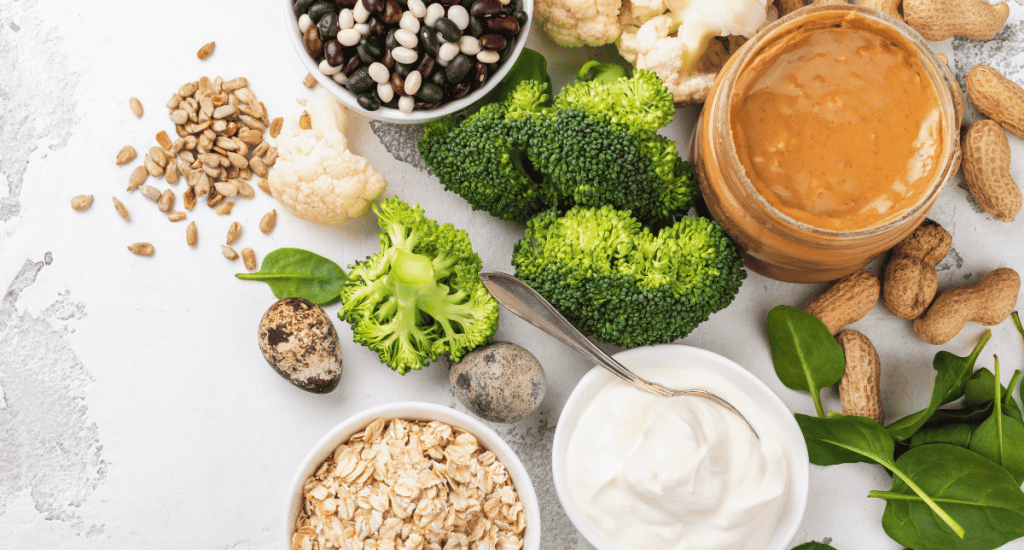
Malaysia, a country renowned for its vibrant cultural diversity, is equally celebrated for its rich array of food choices. Traditional Malaysian cuisine often features beef as a central ingredient, especially during festive seasons. On average, Malaysians consume 8.9kg of beef per person annually—the highest per capita beef consumption among ASEAN countries. Coupled with diets dominated by chicken and fish, this heavy reliance on meat significantly impacts the environment.
DID YOU KNOW THAT MEAT CONSUMPTION DIRECTLY CONTRIBUTES TO CLIMATE CHANGE?
– Meat production requires substantial resources, including water, land, and energy, while also generating a large amount of greenhouse gas emissions.
– Food-related emissions account for about 1/3 of all human-caused greenhouse gas emissions.
– Livestock farming contributes 14.5% of all human-induced greenhouse gas emissions and 30% of global methane emissions
– Livestock production uses 75% of the earth’s agricultural land.
– The meat industry produces more greenhouse gases than the entire transportation sector.
– The methane and nitrous oxide emissions from the meat industry are especially concerning, as nitrous oxide has nearly 300 times the global warming potential of carbon dioxide.
– Meat production is water intensive. Producing a single quarter-pound beef burger requires enough water to power an iPhone for six months.
WHAT IS MEATLESS MONDAY?
– Launched in 2003 by Sid Lerner, inspired by meatless days during World Wars I and II.
– Encourages reducing meat consumption once a week to promote health and environmental sustainability.
– Now embraced by over 40 countries, including schools, cities, restaurants, corporations, and NGOs.
– Endorsed by organizations like WHO, IPCC, and the American Heart Association.
WHY MONDAY?
Monday represents a fresh start for many. It’s the day people often use to set new goals, adopt healthier routines, or get back on track. By choosing to go meat-free every Monday, individuals can establish a habit that supports sustainable living.
The Benefits of Meatless Monday
-
- Save Water
– Switching to plant-based meals just one day a week can significantly reduce water consumption.
– A vegetarian diet alone can cut individual water use by 58%.
- Save Water
-
- Reduce Greenhouse Gas Emissions
– Reducing your carbon footprint by 3.6kg each meatless Monday we participate in.
– Skipping one serving of beef every Monday for a year saves the equivalent emissions of driving 560km in a car.
- Reduce Greenhouse Gas Emissions
-
- Improve Heart Health
– Research by Oxford University’s Department of Public Health reveals that limiting meat consumption to three times a week could prevent:
– 31,000 deaths from heart disease.
– 9,000 deaths from cancer.
– 5,000 deaths from stroke annually.
– This dietary shift could save the UK’s National Health Service RM 4.68 billion each year.
- Improve Heart Health
IS MEATLESS MONDAY STILL RELEVANT?
ABSOLUTELY! Meatless Monday remains as relevant as ever, addressing pressing issues like climate change, resource conservation, and public health. By adopting this practice, individuals contribute to a sustainable future while improving their own well-being.
ALTERNATIVES TO MEATLESS MONDAY?
WANT TO SUPPORT MEATLESS MONDAY BUT DON’T HAVE IDEA?
Here are few suggestions for you meatless Monday
PANI PURI
Pani puri is a popular Indian street food that combines the crispy texture of the puri with the creamy texture of the filling and is often served with a sweet chutney. The crunchy shells are made from semolina, and the filling is made from potatoes, chickpeas, and spices. The water chutney is made with tamarind and chaat masala.
HAKKA LUI CHA
Hakka lui cha, also known as thunder tea rice. It’s often included brown rice topped with vegetables, nuts, seeds, and herbs, and served with a tea soup.
RATATOUILLE
This classic French dish is typically served as a side dish or a vegetarian main course. It is traditionally made with only vegetables like eggplant, zucchini, tomatoes, bell peppers, and onions, with no meat involved.
CALL TO ACTION
MEATLESS MONDAY HAS THE POWER TO BE A CLIMATE CHAMPION, BUT ONLY IF WE MAKE IT SO. By embracing this simple habit, you can play a vital role in reducing greenhouse gas emissions, conserving resources, and fostering a healthier planet. Join the global movement and prove that Meatless Monday is far from a fading trend—it’s a solution for a sustainable future.
WHY WAIT? BE PART OF THE CHANGE AND MAKE EVERY MONDAY COUNT TOWARD CREATING A BETTER WORLD—ONE MEAL AT A TIME!
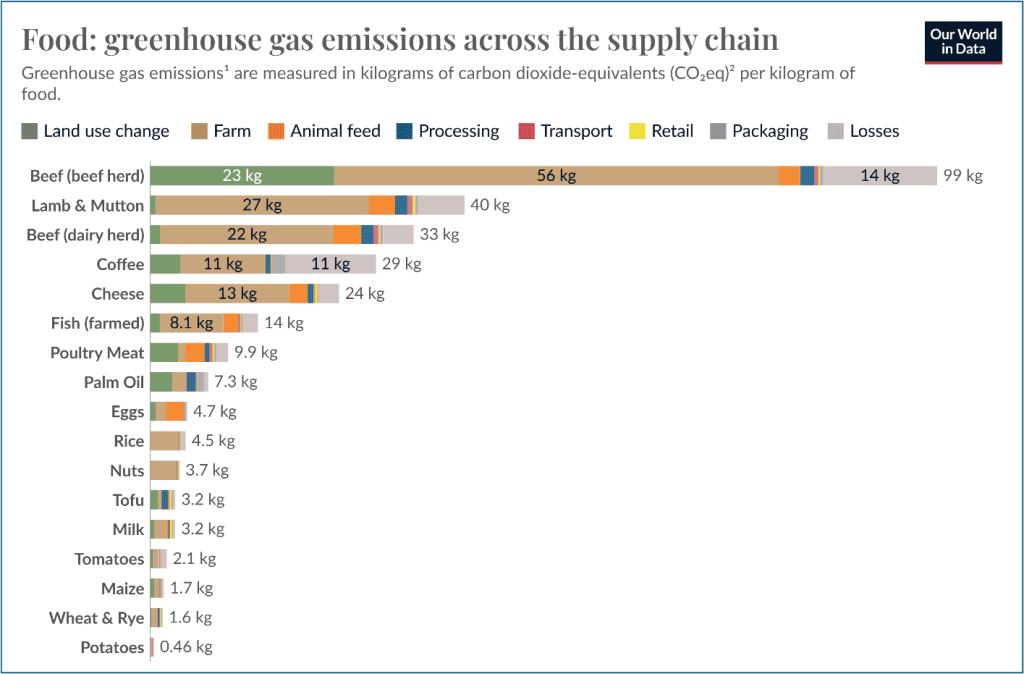
Sources : (Poore & Nemecek, 2018)
This article was prepared by:
Zafirah Fadzli, Research Analyst
References
Crippa M, Solazzo E, Guizzardi D, Monforti-Ferrario F, Tubiello FN, Leip A. Food systems are responsible for a third of global anthropogenic GHG emissions. Nat Food. (2021) 2:198–209. doi: 10.1038/s43016-021-00225-9, PMID: [DOI] [PubMed] [Google Scholar]
Food and Agricultural Organization of the United Nations (FAO). Food and agriculture data. Climate change. Emissions. Available at:https://www.fao.org/faostat/ en/#data2022.12
Meat & Livestock Australia (MLA), 2023, Malaysia Market Snapshop for Beef and Sheepmeat market. Available at : https://www.mla.com.au/contentassets/d4697bcb9ae54a6e97027199cb917ee8/malaysia-2023-mla-mi-market-snapshot_290124.pdf
University of Colorado Boulder (2021), Meatless Mondays :less meat, less heat. Available at : https://www.colorado.edu/ecenter/2021/03/18/meatless-mondays-less-meat-less-heat
Poore, J., & Nemecek, T. (2018). Reducing food’s environmental impacts through producers and consumers. Science, 360(6392), 987–992. https://doi.org/10.1126/science.aaq0216